
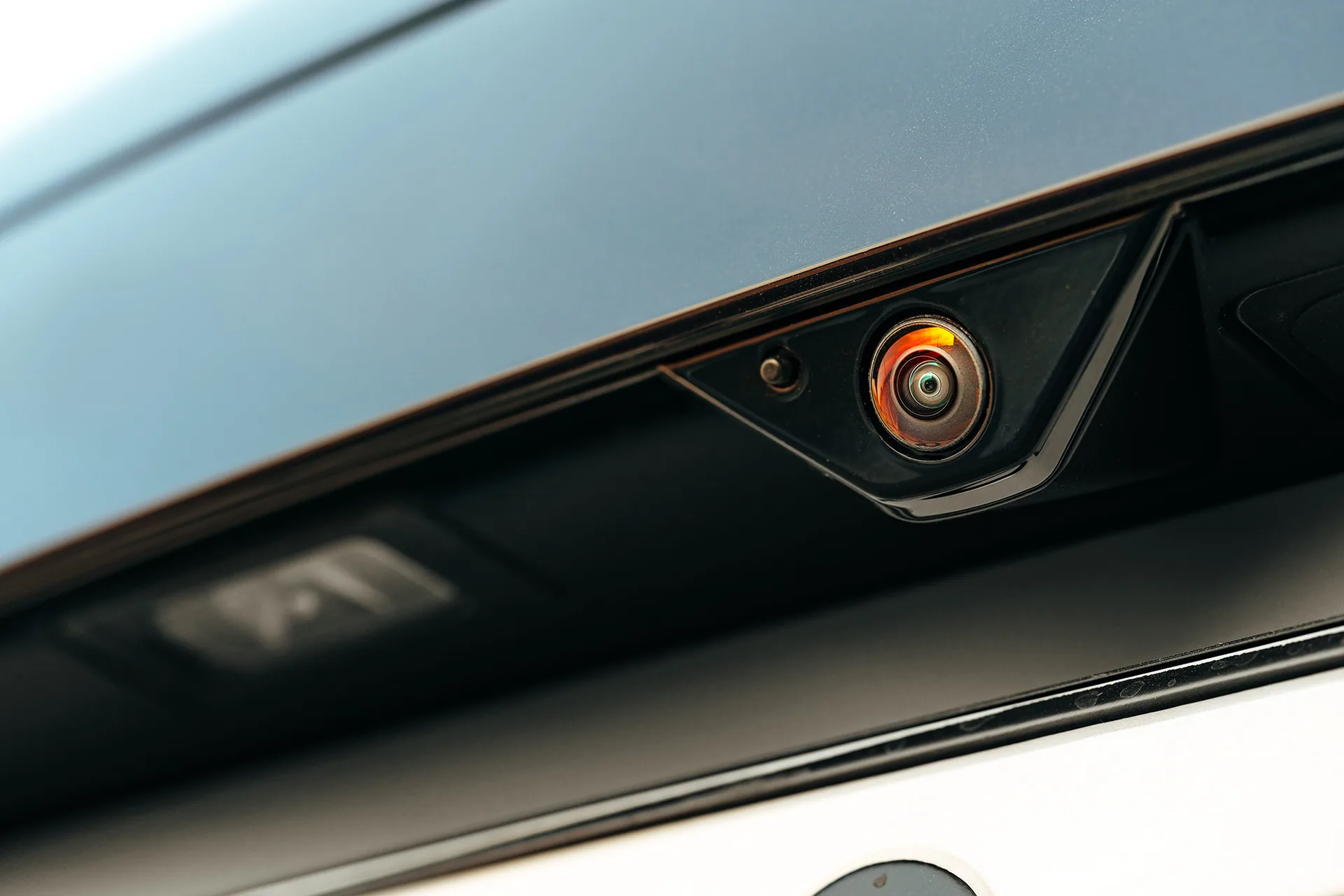
Newer vehicles often roll off the lot with a backup camera already in the dash. But plenty of trucks, work vans, and older models on Burlington roads still rely on mirrors and a little guesswork every time they shift into reverse.
That guesswork gets harder with a loaded truck bed, a tall SUV, a bed cap or cargo carrier blocking the rear window, or a trailer hitched up behind you. A backup camera gives you a clear view of what is directly behind the vehicle, and it is one of the more practical upgrades you can make to something you already own.
At CARS & Truckware in Burlington, NC, we install camera systems on all kinds of vehicles. Here is what to think through before you book.
Start With What You Need to See
The right setup depends on how you drive. A few common situations:
- Backing a trailer or camper. You want a wide, clear field of view so you can line up the hitch and keep an eye on the trailer once it is connected.
- A blocked rear window. A bed cap, a ladder rack, a cargo carrier, or a packed cargo area can make the rearview mirror close to useless.
- A work van. Deliveries and job sites mean a lot of backing into tight spots, often several times a day.
- A new driver. Extra visibility helps a teen driver or anyone getting used to a larger vehicle.
Knowing which of these describes you makes it easier to choose between a simple rearview unit and a more complete multi-camera setup for towing.
Think About Where the Picture Will Show Up
A camera is only half of the system. You also need somewhere to see the image. Depending on the vehicle and the setup you choose, that can be a dash-mounted display or a display built into the rearview mirror. It helps to think about where your eyes naturally go when you back up, and how much space you have on the dash before you decide.
Wiring Matters More Than Most People Expect
A clean install is about more than mounting the camera. The wiring has to run from the rear of the vehicle to the display, out of sight and protected from moisture and vibration. It also has to stay clear of systems that are already there, like backup sensors or trailer hitch wiring.
This is where an experienced shop earns its keep. A rushed job can leave loose wires, a flickering picture, or a camera that quits after the first hard rain.
What If You Already Have a Camera That Quit?
Not every camera job is a new install. A factory backup camera that has stopped working, or one that shows a blurry or distorted picture, is worth having looked at. Some camera repairs after a collision or rear-end damage also fall under insurance claim work, and we can help with that paperwork and coordination.
How the Install Usually Goes
At our shop, the process is straightforward:
- Free estimate and camera selection. We talk through your vehicle, how you use it, and which camera and display fit best.
- Mounting and wiring. The camera goes on the rear of the vehicle and the wiring is run cleanly to your display.
- Calibration and testing. We check the image, the angle, and night visibility before you leave the lot.
- Walkthrough. We show you how the system works and answer any questions.
Most standard backup camera installs are completed the same day. Special-order camera systems are typically ready within 24 to 48 hours.
Get a Free Estimate in Burlington
If you are tired of backing up on guesswork, a camera system is a straightforward upgrade with a real safety payoff. Learn more about our backup camera installation, stop by our shop at 953 S Mebane St in Burlington, or request a free estimate. You can also call us at (336) 570-2323 to talk through your options.